
Every product is independently reviewed and selected by our editors. If you buy something through our links, we may earn an affiliate commission at no extra cost to you.
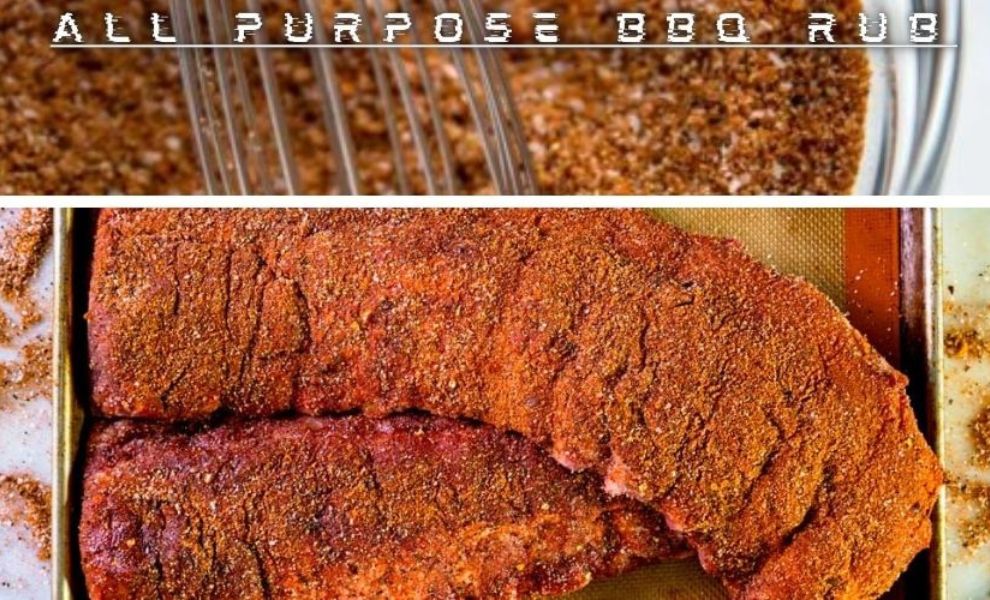
This All Purpose BBQ Rub is your single, indispensable secret—crafted not for one region, but for every creation that meets your fire.
Crafted to deliver bold yet balanced taste, this versatile seasoning enhances beef, pork, poultry, seafood, and even vegetables without masking their natural flavors.
With the perfect blend of savory spices, mild sweetness, and a touch of heat, an all purpose BBQ rub makes every cook simpler, more consistent, and irresistibly delicious.
All Purpose Bbq Rub: Ultimate Flavor Booster for Every Grill
You’ll discover how to create or choose the perfect all purpose BBQ rub that fits your taste and makes every bite delicious. Ready to take your BBQ game to the next level?
Choosing Ingredients
Choosing the right ingredients is the first step to making an excellent all-purpose BBQ rub. The ingredients define the rub’s flavor, aroma, and texture. Picking quality spices and herbs ensures the rub complements any meat or vegetable.
A balanced mix creates a taste that is bold but not overpowering. Understanding the role of each component helps craft a rub that enhances the grilling experience every time.
Spices And Herbs
Spices and herbs form the backbone of any BBQ rub. Each one adds unique taste and aroma. Common spices include paprika, chili powder, black pepper, and cumin. Herbs like thyme, oregano, and rosemary bring freshness and depth. Here are key points to consider:
- Paprika: Adds a mild, smoky flavor and rich color.
- Chili Powder: Gives heat and complexity.
- Black Pepper: Brings a sharp, pungent kick.
- Cumin: Adds earthiness and warmth.
- Thyme and Oregano: Provide herbal brightness.
Using dried herbs and ground spices helps the rub mix well and stick to the meat. Fresh herbs might not dry out evenly and can burn during grilling. Below is a simple table showing common spices and their flavor profiles:
| Ingredient | Flavor Profile | Use in Rub |
| Paprika | Sweet, smoky | Color, mild heat |
| Chili Powder | Spicy, earthy | Heat and depth |
| Black Pepper | Pungent, sharp | Spice and bite |
| Thyme | Herbal, slightly minty | Freshness |
| Oregano | Earthy, bitter | Balance and aroma |


Choosing the right spices and herbs helps create a rub that is versatile and tasty on different foods.
Balancing Flavors
Balancing flavors in an all-purpose BBQ rub means mixing sweet, salty, spicy, and savory elements. A good rub should never be too salty or too sweet. It should enhance the natural taste of the food without hiding it. Here are tips to balance flavors:
- Sweetness: Use brown sugar or maple sugar for a mild sweetness and caramelization.
- Saltiness: Use kosher salt or sea salt to bring out flavors and tenderize meat.
- Heat: Add chili powder, cayenne, or black pepper for spice.
- Earthy and herbal: Include cumin, garlic powder, onion powder, and dried herbs.
Start with small amounts of each ingredient. Mix and taste. Adjust according to preference. Here is an example of a balanced flavor ratio:
| Flavor | Ingredient | Percentage |
| Sweet | Brown sugar | 30% |
| Salty | Kosher salt | 25% |
| Spicy | Chili powder, black pepper | 20% |
| Earthy/Herbal | Cumin, garlic powder, onion powder | 25% |
Balance creates harmony between the rub and the food. It brings out the best flavors without overpowering.
Dry Vs. Wet Ingredients
All-purpose BBQ rubs usually rely on dry ingredients. Dry rubs are easy to store and apply. They form a crust that locks in flavor during cooking. Wet ingredients like mustard, oil, or honey are used in marinades or sauces but can change the rub’s texture.
Here is a comparison:
| Type | Advantages | Disadvantages |
| Dry Ingredients | Easy to mix and storeCreates a dry crustLong shelf life | May not stick well without oilLess penetration into meat |
| Wet Ingredients | Helps rub stick betterCan tenderize meatAdds moisture and shine | Shorter shelf lifeMore difficult to storeCan create soggy texture if overused |
Most all-purpose BBQ rubs focus on dry ingredients. Adding a small amount of oil or mustard before applying the rub helps it stick. This method keeps the rub dry but effective.
Basic Recipe
Creating a simple, all purpose BBQ rub is a great way to add flavor to your grilled meats. The basic recipe uses a few common spices that bring out the best taste. This rub works well on chicken, beef, and even vegetables. It is easy to make and keeps well in a jar for future use. Learning the basic recipe helps you customize your rub to fit your taste.
Essential Components
The key to a good all purpose BBQ rub lies in the balance of its ingredients. Each spice plays a role in building flavor and enhancing the meat’s natural taste. Below are the main components you need for a basic rub:
- Salt: Helps to season and tenderize the meat.
- Sugar: Adds sweetness and aids in caramelization.
- Paprika: Gives color and a mild smoky flavor.
- Black Pepper: Adds a sharp, spicy note.
- Garlic Powder: Provides a savory depth.
- Onion Powder: Enhances the overall taste with a subtle sweetness.
Here is a simple table of the basic ingredients and their typical measurements for one cup of rub:
| Ingredient | Amount | Purpose |
| Salt | 1/4 cup | Seasoning and tenderizing |
| Brown Sugar | 1/4 cup | Sweetness and caramelization |
| Paprika | 1/4 cup | Color and mild smokiness |
| Black Pepper | 2 tbsp | Spicy heat |
| Garlic Powder | 2 tbsp | Savory flavor |
| Onion Powder | 2 tbsp | Sweet, savory taste |

Each of these ingredients contributes to the rub’s balance. Adjusting amounts lets you create a milder or stronger flavor. This basic recipe is a great start for many BBQ dishes.
Mixing Techniques
Mixing the rub ingredients well is important for even flavor on your food. A uniform blend ensures every bite tastes consistent. Follow these simple steps for the best results:
- Measure each spice accurately using spoons or cups.
- Place all ingredients in a medium-sized bowl.
- Use a whisk or fork to combine the spices thoroughly.
- Mix for at least 1-2 minutes to break up clumps and blend flavors.
- Transfer the rub to an airtight container for storage.


Tips for mixing:
- Use a fine mesh sieve to sift spices before mixing for smooth texture.
- Stir gently but completely to avoid uneven patches.
- Shake the container before each use to remix any settled spices.
Good mixing helps the rub stick better to meat. It also improves the rub’s shelf life by preventing moisture pockets. Keep your rub dry and store in a cool place for up to 6 months.
Customizing Your Rub
Customizing your all-purpose BBQ rub lets you create flavors that fit your taste perfectly. A basic rub is a great start, but tweaking it adds personality to your dishes. You control the spice, sweetness, and smoky notes.
This makes your BBQ unique and enjoyable every time. Experimenting with different ingredients turns a simple rub into a special blend that matches your meat and style.
Adjusting Heat Levels
Heat is a key part of BBQ rubs. It can be mild or fiery. Adjusting heat lets you balance flavor and spice.
Start with a small amount of hot spices. Add more if you want a stronger kick. Common heat sources include:
- Cayenne Pepper: Adds sharp, clean heat.
- Chili Powder: Provides mild to moderate warmth.
- Crushed Red Pepper Flakes: Gives a crunchy, intense spice.
- Smoked Paprika: Adds heat plus smoky flavor.

Use this table to guide your heat level adjustments:
| Heat Level | Cayenne (teaspoons) | Chili Powder (teaspoons) | Red Pepper Flakes (teaspoons) |
| Mild | 1/4 | 1 | 1/4 |
| Medium | 1/2 | 1 1/2 | 1/2 |
| Hot | 1 | 2 | 1 |
Always test your rub before cooking. Start with less heat and increase slowly. This helps avoid overpowering your meat.
Adding Sweetness
Sweetness balances spicy and savory flavors in BBQ rubs. It creates a rich, tasty crust on grilled foods. Sugar also helps caramelize the meat surface.
Common sweeteners include:
- Brown Sugar: Adds moisture and deep flavor.
- White Sugar: Gives a clean, simple sweetness.
- Maple Sugar: Offers a unique, natural sweetness.
- Honey Powder: Adds floral notes without moisture.


Try this simple ratio for sweetening your rub:
2 parts brown sugar : 1 part salt : 1 part paprika : 1 part black pepper
Adjust sweetness based on your meat type:
- For chicken, increase sugar for a sweeter crust.
- For beef, keep sweetness moderate to avoid masking the meat flavor.
- For fish, use less sugar to keep it light.
Remember, too much sugar can burn on high heat. Use carefully to keep your BBQ tasty and balanced.
Incorporating Smoky Elements
Smokiness enhances the BBQ experience. It adds depth and a rich aroma to your rub. You can create smoky flavors without a smoker.
Try these smoky ingredients:
- Smoked Paprika: Mild smoke with sweet pepper notes.
- Chipotle Powder: Spicy smoke from dried jalapeños.
- Ground Cumin: Earthy, smoky undertones.
- Lapsang Souchong Tea Powder: Strong smoky flavor from smoked tea leaves.
Mix smoky spices carefully:
- Start with small amounts to avoid overpowering.
- Combine different smoky elements for complex flavor.
- Match smoke intensity to the meat type and cooking method.
Example smoky rub blend:
2 tbsp smoked paprika 1 tsp chipotle powder 1 tsp ground cumin 1 tbsp brown sugar 1 tbsp salt 1 tsp black pepper
This blend offers balanced smoke and spice. Adjust ingredients to suit your taste and BBQ style.
Applying The Rub
Applying an all purpose BBQ rub is a key step to boost flavor in grilled or smoked dishes. This spice blend adds depth, aroma, and a savory crust to meats and vegetables.
Properly applying the rub ensures the seasoning sticks well and penetrates the food. It also helps create a beautiful bark or caramelized surface during cooking. This section covers how to prepare, apply, and time your rub to get the best BBQ results.
Preparation Tips
Before applying the rub, prepare your meat and workspace carefully. Start with fresh, clean meat. Pat it dry with paper towels to remove excess moisture. This helps the rub stick better and form a crust during cooking.
- Trim excess fat: Remove large fat pieces for even seasoning and cooking.
- Bring meat to room temperature: Let it sit outside the fridge for 20-30 minutes for more even cooking.
- Use a clean surface: Prepare your cutting board and hands to avoid contamination.
Organize your rub and utensils nearby. Use a spoon, shaker, or your fingers to apply the rub evenly. Measure the rub amount based on the meat weight. A good rule is 1 tablespoon of rub per pound of meat. Adjust for personal taste or recipe needs.
| Meat Type | Rub Amount (per pound) |
| Beef (brisket, steak) | 1 to 1.5 tablespoons |
| Chicken | 0.5 to 1 tablespoon |
Best Practices For Coating
Coating the meat evenly with the rub is crucial for balanced flavor. Use your hands or a spoon to spread the rub in a thin, uniform layer. Cover every side, including edges and crevices. Press the rub gently so it sticks but does not clump.
Some tips for best coating:
- Apply the rub in a well-lit area to see coverage clearly.
- Use both hands to rub and massage the seasoning into the meat.
- Turn the meat frequently while rubbing for full coverage.
- For larger cuts, rub in sections to avoid missing spots.
Avoid over-coating. Too much rub can mask the meat’s natural taste and cause bitterness. A light, firm layer works best. Some cooks like to spray a little oil or water on the meat before rubbing. This helps the spices stick better and form a nice crust during cooking.
Timing Before Cooking
Timing affects how deeply the rub flavors the meat. Let the rub rest on the meat before cooking for best results. This resting time allows the spices to absorb and tenderize the surface.
Common timing guidelines:
- Immediate cooking: Good for thin cuts or when short on time. Flavors stay mostly on the surface.
- 30 minutes to 1 hour: Ideal for medium thickness meats. Enhances flavor without drying out.
- Several hours to overnight: Best for thick or tough cuts like brisket. Deep flavor penetration and tenderization.
Wrap the rubbed meat in plastic wrap or place it in a sealed container in the fridge during resting. Avoid leaving meat too long at room temperature to prevent bacterial growth. For overnight resting, refrigerate below 40°F (4°C).
Use this timing to control flavor intensity and texture. Experiment with times to find what works best for each type of meat and cooking method.
Using The Rub On Different Meats
All Purpose BBQ Rub brings a bold, smoky flavor to many types of meat. Using this rub on different meats enhances their natural taste and adds a spicy, savory kick. It works well on beef, chicken, turkey, and even seafood. Knowing how to apply the rub properly helps to get the best results.
Each type of meat reacts differently to spices and cooking times. This guide shows how to use the rub to make every dish delicious and juicy.
Beef
Beef are perfect matches for an All Purpose BBQ Rub. These meats have rich flavors that the rub can boost easily. For beef, use the rub on steaks, briskets, or ribs. It creates a tasty crust that locks in juices during grilling or smoking.
- Steaks: Apply the rub 30 minutes before cooking for a strong flavor.
- Brisket: Cover thickly and let it rest in the fridge overnight.
- Ribs: Rub generously and wrap in foil to keep moist while cooking.
| Meat Cut | Rub Application Time | Cooking Tip |
| Beef Steak | 30 minutes before cooking | Grill on high heat for a crust |
| Brisket | Overnight in fridge | Smoke low and slow |
Chicken And Turkey
The All Purpose BBQ Rub adds a warm, spicy flavor to chicken and turkey. These poultry meats are mild, so the rub brings out a rich taste. Use it on whole birds, breasts, thighs, or wings. The rub creates a crispy skin and juicy inside.
For best results, follow these tips:
- Pat the meat dry before applying the rub.
- Rub evenly on all sides, including under the skin if possible.
- Let the meat rest for 20-30 minutes before cooking.
- Cook on medium heat to avoid drying out.
The rub pairs well with grilling, baking, or smoking poultry. It adds a smoky, slightly sweet flavor that works well with honey or barbecue sauce.
Seafood Options
Seafood needs a lighter touch with the All Purpose BBQ Rub. Fish and shellfish have delicate flavors that the rub should not overpower. Use sparingly on salmon, shrimp, or white fish like cod.
Tips for using the rub on seafood:
- Apply a thin layer of rub for subtle flavor.
- Marinate for 15-20 minutes maximum to keep freshness.
- Grill or pan-sear quickly to preserve texture.
The rub adds a hint of spice and smokiness to seafood dishes. It works well with lemon or lime juice to brighten the taste. Experiment with different types of fish to find your favorite combination.
Storage And Shelf Life
Storing your All Purpose BBQ Rub correctly keeps its flavors fresh and vibrant. Proper storage protects the spices from moisture, heat, and air. These elements can weaken the rub’s taste and aroma over time. Knowing how to store your rub and understanding its shelf life helps maintain the best quality for your grilling adventures.
Proper Containers
Choosing the right container is key for preserving your All Purpose BBQ Rub. Use airtight containers to keep moisture and air out. Glass jars with tight lids are ideal because they don’t absorb odors or stain. Plastic containers work but make sure they are food-grade and seal well.
- Airtight lids prevent air exposure that causes spices to lose flavor.
- Opaque or dark containers protect the rub from light, which can fade spices.
- Small containers reduce the amount of air inside after each use.
- Label containers with the date of mixing for easy tracking.
Store your rub in a cool, dry place away from direct sunlight. Avoid keeping it near the stove or oven where heat and steam can enter the container. A pantry or cupboard is best. Avoid using opened plastic bags or containers without lids, as they expose the rub to air and moisture.
| Container Type | Pros | Cons |
| Glass Jar with Airtight Lid | Non-porous, odor-free, airtight, easy to clean | Fragile, heavier than plastic |
| Plastic Food-Grade Container | Lightweight, less breakable, airtight options available | Can absorb odors, may stain, less durable |
| Metal Tin | Opaque, protects from light | May rust if exposed to moisture |
Shelf Life Expectations
All Purpose BBQ Rub does not spoil like fresh food but loses potency over time. Spices gradually lose their flavor and aroma. Proper storage helps extend the shelf life but expect some decline after months.
Typical shelf life ranges:
- Ground spices: 6 months to 1 year
- Dried herbs: 1 to 3 years
- Mixed rubs: 1 year for peak flavor
Keep an eye on color and smell. If the rub looks dull or smells weak, it’s time to make a new batch. Using old rub won’t make you sick, but the taste will be less vibrant.
Store rubs in small batches to use them before they lose flavor. If you buy in bulk, divide the rub into smaller containers. This limits air exposure each time you open a container.
| Rub Type | Best Use By | Signs of Decline |
| All Purpose BBQ Rub | 12 months | Faded color, weak aroma, less flavor |
| Salt-based Rub | 18 months | Clumping, loss of crunch, muted taste |
| Herb-heavy Rub | 6-9 months | Brittle texture, dull color, faint smell |
Popular Variations
All Purpose BBQ Rubs come in many popular variations that suit different tastes and cooking styles. These blends enhance the flavor of meats, vegetables, and even tofu, making grilling more exciting.
Knowing the common types helps to pick the best rub for your meal. Each variation has unique ingredients that create a special taste profile. Exploring these can add variety and fun to your BBQ experience.
Spicy Rubs
Spicy rubs bring heat and bold flavors to your barbecue. They often include chili powder, cayenne pepper, and black pepper. These spices add a kick that wakes up the taste buds. Many spicy rubs balance heat with other flavors like garlic and smoked paprika.
Common ingredients in spicy rubs:
- Chili powder
- Cayenne pepper
- Black pepper
- Garlic powder
- Smoked paprika
Spicy rubs work well with beef and chicken. They can be mild or very hot depending on the spice amounts. Use them to add a fiery edge to your grilled dishes.
| Spice | Flavor | Heat Level |
| Chili powder | Earthy and smoky | Medium |
| Cayenne pepper | Sharp and hot | High |
| Black pepper | Pungent and spicy | Medium |
Sweet And Savory Mixes
Sweet and savory rubs offer a balanced, rich taste. These blends often include brown sugar or honey powder for sweetness. Salt, onion powder, and paprika add savory notes. This mix creates a caramelized crust on grilled foods.
Sweet and savory rubs pair well with chicken wings, and vegetables. They bring out natural flavors and add a slightly sticky texture after cooking.
- Brown sugar or honey powder
- Salt
- Onion powder
- Paprika
- Garlic powder
These rubs suit those who prefer milder heat and a touch of sweetness. They make BBQ dishes taste rich and satisfying.
| Ingredient | Role |
| Brown sugar | Sweetness and caramelization |
| Salt | Enhances overall flavor |
| Paprika | Adds mild smoky flavor |
Herb-forward Blends
Herb-forward BBQ rubs highlight fresh and earthy notes. Common herbs include thyme, rosemary, and oregano. These blends focus on aromatic, green flavors instead of heat or sweetness.
Herb rubs work great on chicken, fish, and vegetables. They give a light, fresh taste perfect for summer grilling.
Typical herb-forward rub ingredients:
- Thyme
- Rosemary
- Oregano
- Parsley
- Garlic powder
These rubs often contain salt and pepper to balance the herbs. They add complexity without overpowering the natural flavor of food. Herb blends suit those who like subtle, fragrant BBQ flavors.
Frequently Asked Questions
What Is An All Purpose Bbq Rub?
An all purpose BBQ rub is a versatile seasoning blend. It enhances flavor on various meats like chicken and beef. It typically combines spices like paprika, salt, sugar, and garlic. This rub adds smoky, sweet, and savory notes to grilled dishes.
How Do You Use All Purpose Bbq Rub?
Sprinkle the rub evenly over your meat before cooking. Massage it gently to ensure it adheres well. For best flavor, let the meat rest with the rub for 30 minutes to overnight. Then cook using grilling, smoking, or roasting methods.
Can I Make My Own Bbq Rub At Home?
Yes, homemade BBQ rubs are easy and customizable. Mix common spices such as paprika, chili powder, brown sugar, salt, and pepper. Adjust proportions to suit your taste. Homemade rubs are fresh, free from additives, and perfect for experimenting with flavors.
Which Meats Work Best With All Purpose Bbq Rub?
All purpose BBQ rubs work well on beef, chicken, and fish. They enhance the natural taste without overpowering it. Use on ribs, brisket, wings, or salmon. The rub creates a flavorful crust and improves the grilling experience.
Conclusion
A good all-purpose BBQ rub adds flavor to any meat or veggie. It brings out natural tastes without much effort. You can keep it simple or adjust spices as you like. This rub works well for grilling, smoking, or baking.
Try it once, and you will see the difference in your cooking. Enjoy tasty meals with just one easy mix. Keep this rub handy for quick and delicious dishes anytime.