
Every product is independently reviewed and selected by our editors. If you buy something through our links, we may earn an affiliate commission at no extra cost to you.
Looking to get your grill fired up quickly and evenly? Making a charcoal chimney is one of the smartest ways to start your coals without hassle.
How to make a charcoal chimney (Step by Step)
Imagine having perfectly hot, ready-to-use charcoal in just minutes, no lighter fluid, no mess. In this guide, you’ll learn exactly how to make a charcoal chimney using simple materials you might already have. By the end, you’ll be able to boost your grilling game and enjoy tastier meals with less effort.
Keep reading, and let’s get your fire going the right way!
Materials Needed
Building a charcoal chimney requires gathering a few simple materials. These materials help create a safe and efficient tool for lighting charcoal quickly. Selecting the right items ensures the chimney works well and lasts long. Below, explore the key materials needed to make a charcoal chimney.
Metal Cylinder Options
The metal cylinder forms the main body of the charcoal chimney. It holds the charcoal and allows air to flow for ignition. Choosing the right metal cylinder is important for safety and durability.
- Size and Shape: A cylinder about 10 to 12 inches tall and 6 to 8 inches in diameter works well.
- Material Type: Steel or aluminum cylinders resist heat. Steel is heavier but more durable. Aluminum is lighter but may wear faster.
- Common Sources: Old paint cans, large coffee cans, or metal buckets can be repurposed. Ensure they have no plastic or harmful coatings inside.
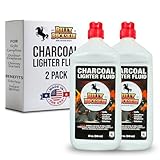
- FAST & CLEAN IGNITION FOR CHARCOAL COOKING – Light lump charcoal or briquettes instantly with Billy Buckskin charcoal lighter fluid for grilling, engineered for quick, consistent, and mess-free ignition. Ideal for charcoal grills and chimney starters, it delivers a clean burn with minimal smoke and no sticky residue for a smooth start every time.
- LOW-ODOR FORMULA THAT PRESERVES FOOD FLAVOR – Keep your meals tasting natural with Billy Buckskin grill lighter fluid, formulated to burn cleanly without chemical aftertaste or harsh fumes. Perfect for backyard cooking setups where flavor matters, it ensures a pure, smoke-free start and a better-tasting barbecue experience.
- EFFICIENCY & CONTROL FOR HEAT MANAGEMENT – Use just 1.5 fl. oz. per pound of charcoal for fast, even ignition and steady heat output. Billy Buckskin charcoal starter fluid eliminates the need for messy fire starters or excessive waiting time, helping you achieve consistent performance during high-heat searing or long, slow burns.
- MULTI-FUEL COMPATIBILITY FOR OUTDOOR FIRES – From campfires to patio fire bowls, this lighter fluid for grill and firewood delivers instant ignition across multiple fuel types. Whether lighting wood logs, briquettes, or charcoal, it provides smooth, dependable performance with no flare-ups or frustration.
- MADE IN THE USA FOR QUALITY & VERSATILITY – Expertly made in the USA, Billy Buckskin BBQ lighter fluid offers clean-burning reliability in a durable 1-quart bottle for easy pouring. Designed for outdoor kitchens, tailgates, and off-grid cooking, this premium lighter fuel combines power, precision, and American craftsmanship in every pour.
Here is a simple comparison table for metal cylinder options:
| Material | Weight | Durability | Cost |
| Steel | Heavier | High | Medium |
| Aluminum | Lighter | Medium | Low to Medium |
Ensure the cylinder has no holes except those you will add for ventilation. The metal should be thick enough to handle high heat without warping.
Ventilation Components
Ventilation allows air to flow under and around the charcoal. Proper airflow is key to fast, even lighting. Add holes and supports to help with this.
Common ventilation parts include:
- Drill or Nail: To make holes in the metal cylinder for airflow.
- Metal Screen or Grill: Place inside the cylinder near the bottom to hold charcoal and let air pass below.
- Air Holes: Drill several small holes (about ¼ inch) near the bottom and sides of the cylinder. This keeps oxygen flowing.
The screen or grill acts like a grate, holding charcoal off the bottom. This space allows air to reach the flames and helps the charcoal burn hotter and faster.
Spacing and size of the holes matter. Too few holes restrict airflow. Too many holes weaken the cylinder. Aim for a balanced design.
Additional Tools
Some extra tools make building the chimney easier and safer. Having the right tools speeds up the project and improves the final product.
- Drill with Metal Bits: Needed to make clean holes in the metal cylinder for ventilation.
- Metal File or Sandpaper: Use to smooth sharp edges around drilled holes to prevent cuts.
- Heat-Resistant Gloves: Protect hands while working with metal and during first uses of the chimney.
- Marker or Chalk: Mark spots on the cylinder where holes will go.
- Metal Cutter or Tin Snips: May be needed to cut or adjust the metal cylinder.
Having a sturdy work surface helps. Work outdoors or in a well-ventilated area to avoid inhaling metal dust.
These tools prepare the cylinder for use and improve safety during assembly and operation.
Step 1. Preparing The Cylinder
Preparing the cylinder is an important step in making a charcoal chimney. The cylinder acts as the main body where charcoal will ignite and burn evenly. Proper preparation ensures good airflow and safe use. This process involves cleaning the cylinder well and making precise cuts. These steps help the chimney work effectively and last longer.
Cleaning And Cutting
Start by choosing a metal cylinder, such as a clean, empty paint can or a large tin. Remove any labels, glue, and dirt. Use warm, soapy water and a scrub brush for cleaning. Rinse and dry the cylinder completely to avoid rust.
Next, cut the cylinder to the right size. The ideal height is about 12 inches, but it depends on the size of your grill or stove. Use a metal cutting tool or a strong tin snip to make a clean cut. Wear gloves and safety goggles during cutting to protect yourself.
Check the edges after cutting. Smooth sharp edges with sandpaper or a metal file. This step prevents cuts while handling the chimney.
| Step | Tools Needed | Safety Tips |
| Cleaning | Soap, water, scrub brush | Wear gloves |
| Cutting | Metal cutter, tin snips | Wear gloves and goggles |
| Smoothing Edges | Sandpaper or metal file | Handle carefully |
Creating Air Vents
Air vents are key for proper airflow. They let oxygen reach the charcoal, helping it burn hotter and faster. Mark several vent holes near the bottom of the cylinder. Space the holes evenly for balanced air intake.
Use a drill or a nail and hammer to make the holes. The holes should be about 1/4 inch wide. Too small holes reduce airflow, while too large holes make the fire burn too fast.
Make a row of holes around the base, about 2 inches from the bottom. Add another row near the top to let smoke escape. This design creates a good draft inside the chimney.
- Bottom vents: Oxygen intake
- Top vents: Smoke exit
- Hole size: About 1/4 inch
- Number of holes: 6-8 per row
After making the holes, remove metal shavings to avoid injury. Test the airflow by blowing through the vents. Air should pass freely without blockage. Proper vents improve chimney performance and charcoal ignition speed.
Step 2. Building The Handle
Building the handle for your charcoal chimney is a key step for safe and easy use. The handle lets you lift and pour hot coals without burning your hands. It must be strong, heat-resistant, and comfortable to hold. This section explains how to choose the best materials and attach the handle firmly to your chimney.
Selecting Handle Materials
Choosing the right materials for your handle affects safety and comfort. The handle must not get too hot and should give a good grip. Here are common materials used:
- Wood: A popular choice because it stays cool and feels comfortable. Use hardwood like oak or maple for strength.
- Metal: Strong but conducts heat quickly. If using metal, add a heat-resistant cover or insulation.
- Plastic or Rubber: Heat-resistant plastics or rubber grips can protect your hand from heat and improve grip.
Compare these materials in the table below for better clarity:
| Material | Heat Resistance | Grip Comfort | Durability |
| Wood | High | Good | Moderate |
| Metal | Low (Needs insulation) | Poor (Slippery) | High |
| Plastic/Rubber | High | Excellent | Moderate |
Wood is easiest to work with for beginners. Combining metal with a rubber grip offers strength and safety. Avoid materials that melt or burn easily.
Attaching The Handle Securely
Fixing the handle firmly to the chimney ensures safe use. A loose handle can cause accidents. Follow these steps for strong attachment:
- Prepare the chimney surface: Clean and dry the area where you will attach the handle.
- Mark the handle position: Place the handle where it feels natural for gripping.
- Choose fasteners: Use screws, bolts, or strong rivets that fit your materials.
- Drill holes: Carefully drill holes in both the chimney and handle for the fasteners.
- Attach the handle: Secure the handle with fasteners. Tighten firmly but avoid over-tightening to prevent damage.
Tips for a secure handle:
- Use washers with bolts to spread pressure.
- Add heat-resistant glue for extra hold.
- Check the handle regularly for looseness.
Here is a simple code snippet to visualize handle attachment points:
Handle attached here with screws
Secure attachment and a sturdy handle make your charcoal chimney safe and easy to use. Take time to do this step well.
Step 3. Assembling The Chimney
Assembling the charcoal chimney is a key step to ensure it works well and safely. This part brings together all the pieces needed to create a strong, efficient tool for lighting charcoal quickly. Proper assembly helps air flow through the chimney, which is crucial for getting the coals hot fast. Follow each step carefully to build a chimney that lasts and performs as expected.
Positioning The Grate
The grate holds the charcoal above the bottom of the chimney. This space allows air to flow freely, feeding the fire with oxygen. Proper positioning of the grate is important for good heat and fast ignition.
Steps for positioning the grate:
- Measure the chimney’s height: The grate should sit about 3 to 4 inches from the bottom.
- Select a sturdy material: Use a metal mesh or perforated sheet that can hold the charcoal weight.
- Secure the grate: Place it firmly inside the chimney tube. It should not move or tilt.
- Check airflow: Make sure there is space below the grate for air to enter easily.
Use this simple table to check the ideal grate position by chimney height:
| Chimney Height (inches) | Grate Position from Bottom (inches) |
| 12 | 3 |
| 15 | 4 |
| 18 | 4 |
Tip: Avoid placing the grate too low or too high. Too low blocks airflow. Too high means less charcoal capacity.
Final Assembly Steps
After the grate is in place, finish assembling the chimney carefully. This ensures safety and good function when lighting charcoal.
Follow these steps for the final assembly:
- Attach the handle: Secure a heat-resistant handle to the side of the chimney. Use strong screws or rivets.
- Fix the heat shield: Place a metal shield between the handle and chimney body to protect hands from heat.
- Check the bottom opening: Make sure the bottom hole is clear for air intake. Remove any debris.
- Test stability: Place the chimney on a flat surface. It should stand steady without wobbling.
- Inspect for sharp edges: Smooth any rough or sharp metal edges with sandpaper or a file.
Here is a quick checklist for the final steps:
- Handle firmly attached
- Heat shield in place
- Bottom hole clear and open
- Stable base
- No sharp edges
Complete these steps before using the chimney. A well-assembled chimney lights coals faster and stays safe to handle.
Step 4. Using The Charcoal Chimney
Using a charcoal chimney is a simple way to get your grill ready quickly and evenly. It helps light charcoal without lighter fluid, which keeps the taste pure. The chimney directs heat and air, making charcoal heat up faster and burn well. This section explains how to use a charcoal chimney properly for the best grilling results.
Filling With Charcoal
Start by placing the charcoal chimney on a stable, heat-resistant surface. Use charcoal briquettes or lump charcoal, depending on your preference. Fill the chimney from the top until it is almost full. Do not pack the charcoal too tightly, so air can flow through easily. This airflow is important for quick and even lighting.
- Use a scoop or a small bucket for easy filling.
- Leave about an inch of space at the top to prevent spilling.
- Arrange the charcoal evenly inside the chimney.
Here is a simple table to show the typical amount of charcoal for different chimney sizes:
| Chimney Size | Charcoal Amount | Approximate Weight |
| Small (6 inches diameter) | About 50 briquettes | 2.5 lbs (1.1 kg) |
| Medium (8 inches diameter) | About 100 briquettes | 5 lbs (2.3 kg) |
| Large (10 inches diameter) | About 150 briquettes | 7.5 lbs (3.4 kg) |
Do not fill the chimney over the top. This avoids charcoal falling out when you move it. Always check that the chimney is clean and dry before filling. Wet charcoal will not light well.
Lighting Techniques
Lighting the charcoal chimney correctly makes a big difference. Place newspaper, fire starters, or natural kindling under the chimney. Avoid using lighter fluid on the charcoal itself. The heat will rise through the chimney and ignite the charcoal evenly.
- Crumple 2-3 sheets of newspaper and place them inside the bottom compartment.
- Light the newspaper from several points for faster ignition.
- Wait 10 to 15 minutes until the charcoal is covered with gray ash.
- Carefully pour the hot charcoal into your grill.
Use a long match or lighter for safety. Here are some tips for good lighting:
- Use dry newspaper or fire starters for best results.
- Do not block the air holes at the bottom of the chimney.
- Light the paper from multiple points for even heat.
- Wait until coals are fully ashed over before grilling.
Patience is key. Rushing to use charcoal before it is ready can cause uneven heat and poor cooking results.
Safety Tips
Handling a charcoal chimney requires care to avoid burns or accidents. The metal gets extremely hot. Use heat-resistant gloves when lighting, moving, or pouring the charcoal. Always place the chimney on a non-flammable surface, such as concrete or bricks.
- Keep children and pets away from the chimney while in use.
- Never leave a lit chimney unattended.
- Do not use the chimney inside enclosed spaces.
- Have a fire extinguisher or water nearby for emergencies.
When pouring hot charcoal into the grill, move slowly and steadily. Avoid spilling hot coals outside the grill. After use, allow the chimney to cool completely before storing. Store away from flammable materials.
Following these safety steps helps prevent injuries and fires. Respect the heat and the tool will make grilling safer and easier.
Step 5. Maintenance And Storage
Maintaining and storing your charcoal chimney properly keeps it safe and ready for every grilling session. Regular care helps prevent rust, buildup, and damage. This extends the chimney’s life and keeps it working well. Simple steps after each use make a big difference. Proper storage protects it from weather and dirt. Follow easy tips to keep your charcoal chimney clean and in top shape.
Cleaning After Use
Cleaning your charcoal chimney right after use stops soot and ash from building up. Wait until the chimney cools completely before starting. Use a brush or cloth to remove loose ash and debris from the inside and outside.
- Remove leftover ash: Dump ashes into a metal container to avoid fires.
- Brush the inside: Use a stiff wire brush to scrub soot and small debris.
- Wipe the outside: Use a damp cloth to clean dirt and stains on the outer surface.
For stubborn stains or grease, mix warm water with a little dish soap. Dip a sponge or cloth into the soapy water and scrub gently. Rinse with clean water and dry thoroughly with a towel to stop rust.
| Cleaning Step | Tools Needed | Tip |
| Remove ashes | Metal container, gloves | Always wear gloves to protect your hands |
| Brush inside | Wire brush | Brush in circular motions for better cleaning |
| Wipe outside | Damp cloth, soap | Dry completely to avoid rust |
Cleaning after each use keeps your charcoal chimney safe and efficient. It also reduces smoke and unpleasant smells during your next barbecue.
Proper Storage Practices
Storing your charcoal chimney correctly protects it from damage and rust. Always keep it in a dry place away from rain and moisture. Moisture causes rust, which weakens metal parts and shortens the chimney’s life.
Use these tips to store your chimney safely:
- Choose a dry spot: A garage, shed, or covered patio works well.
- Keep it upright: Store the chimney standing up to prevent dents and damage.
- Cover it: Use a cloth or plastic cover to protect against dust and dirt.
- Avoid heavy objects: Don’t place anything heavy on top that can bend or break the chimney.
Store your chimney away from children’s reach to avoid accidents. Check it occasionally for rust or wear. Clean and dry it before storing after every use. A well-stored chimney performs better and lasts longer.
| Storage Tip | Reason | Example |
| Dry location | Prevents rust | Garage or covered porch |
| Upright position | Maintains shape | Standing on the floor or shelf |
| Cover chimney | Keeps dust off | Use old cloth or plastic cover |
| Avoid heavy items | Prevents dents | Do not stack other tools on it |
Frequently Asked Questions
- What Materials Do I Need To Make A Charcoal Chimney?
You need a metal cylinder, mesh screen, metal grate, and handles. Use heat-resistant materials to ensure safety. These items allow air flow and hold the charcoal securely for even heating.
- How Long Does It Take To Light Charcoal In A Chimney?
Lighting charcoal in a chimney usually takes 10 to 20 minutes. The design promotes quick airflow, igniting coals faster than traditional methods. Wait until coals are covered with gray ash before grilling.
- Can I Use A Charcoal Chimney On Any Grill Type?
Yes, a charcoal chimney works with most charcoal grills. It fits inside or on top, making charcoal lighting easier. Always check your grill’s size to ensure proper chimney fit.
- How Do I Safely Handle A Hot Charcoal Chimney?
Use heat-resistant gloves and sturdy handles to move the chimney. Avoid direct contact with hot metal surfaces. Place the chimney on a non-flammable surface until coals are ready.
Conclusion
Making a charcoal chimney is simple and saves time. It helps light charcoal evenly and fast. You only need a few basic materials to build it. This tool makes grilling easier and more fun. Try building one for your next cookout.
Enjoy better heat and less smoke with your chimney. It’s a small project with big benefits. Give it a go, and see the difference yourself. Happy grilling!