
Every product is independently reviewed and selected by our editors. If you buy something through our links, we may earn an affiliate commission at no extra cost to you.
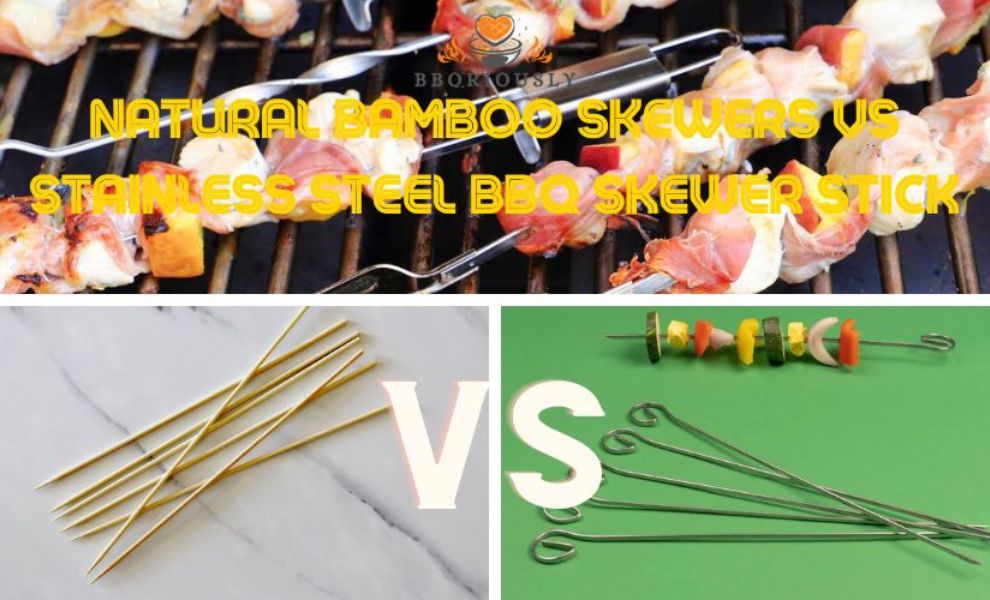
Choosing the right skewer is a small but critical decision for any grill master. The battle between Natural Bamboo Skewers and Stainless Steel BBQ Skewer Sticks is more than just material deep; it affects everything from flavor and cooking performance to cleanup and sustainability.
Are you team disposable and traditional, or team reusable and high-performance? Our complete BBQ comparison breaks down the pros, cons, and best uses for each, so you can make an informed choice for your next cookout.
Natural Bamboo Skewers Vs Stainless Steel BBQ Skewer Stick: Ultimate Showdown
By the time you finish reading, you’ll know exactly which skewer fits your style and needs.
Let’s dive in and help you make the best choice for your BBQ!
Bamboo Skewers Features
Bamboo skewers are a popular choice for grilling and cooking, especially when comparing natural bamboo skewers to stainless steel BBQ skewer sticks. Their unique features make them suitable for many outdoor cooking needs.
Understanding the key aspects of bamboo skewers helps in choosing the right tool for your barbecue or kitchen. Below, we explore important features of bamboo skewers that affect their performance and environmental footprint.
Material And Composition
Bamboo skewers are made from natural bamboo wood, a fast-growing grass known for its strength and flexibility. The material is lightweight yet sturdy enough to hold various foods during grilling or roasting. Bamboo fibers run along the length of the skewer, giving it a natural grip and resistance to breaking easily.
Key points about bamboo material:
- Natural and renewable: Bamboo grows quickly and can be harvested sustainably.
- Lightweight: Easy to handle and transport.
- Flexible but strong: Resists snapping under weight.
- Non-toxic and food-safe: No harmful chemicals are usually involved in processing.
Here is a simple comparison table to highlight bamboo skewers’ composition:
| Feature | Bamboo Skewers |
| Material | Natural bamboo wood |
| Weight | Light |
| Strength | Moderate, flexible |
| Food Safety | Non-toxic, safe for food contact |
Heat Resistance
Bamboo skewers can withstand moderate heat but have limits compared to metal skewers. They are ideal for grilling foods that cook quickly or at lower temperatures. However, bamboo can burn or char if exposed to direct flames or very high heat for too long.
Important heat resistance details:
- Can handle temperatures up to about 392°F (200°C) safely.
- May burn if exposed directly to open flames for extended periods.
- Best used with indirect heat or wrapped foods.
- Soaking in water before use helps prevent burning.
Soaking bamboo skewers for 20-30 minutes before grilling reduces the risk of burning. This simple step increases durability during cooking. Bamboo’s natural fibers absorb water, which acts as a heat buffer.
Here is a quick guide to bamboo skewer heat use:
- Soak skewers in water for 30 minutes.
- Use on medium or low heat grills.
- Avoid direct contact with flames.
- Remove skewers promptly when cooking finishes.
Environmental Impact
Bamboo skewers offer significant environmental benefits over stainless steel or plastic alternatives. Bamboo grows very fast, reaching maturity in 3-5 years, which is much quicker than hardwood trees. This rapid growth makes bamboo a highly renewable resource.
Environmental advantages include:
- Biodegradable: Bamboo breaks down naturally without harming soil or water.
- Low carbon footprint: Growing bamboo absorbs more CO2 than many other plants.
- Minimal processing: Bamboo skewers require little energy to produce.
- Waste reduction: Bamboo products reduce plastic and metal waste.
Compared to stainless steel skewers, bamboo skewers:
| Aspect | Bamboo Skewers | Stainless Steel Skewers |
| Renewability | High (fast-growing plant) | Low (mining and metal processing) |
| Biodegradability | Yes (compostable) | No (recyclable but not biodegradable) |
| Carbon Footprint | Low | High |
| Waste Impact | Minimal | Potentially significant if not recycled |
Choosing bamboo skewers supports eco-friendly cooking. They add less waste and use fewer natural resources.
Stainless Steel Skewers Features
Choosing between natural bamboo skewers and stainless steel BBQ skewer sticks depends on your cooking needs and preferences. Stainless steel skewers offer unique features that make them stand out, especially in durability, heat handling, and ease of use. Understanding these features helps in picking the right skewer for your grilling experience.
Durability And Strength
Stainless steel skewers are known for their exceptional durability and strength. Unlike bamboo, they do not break or splinter easily, making them ideal for heavy or dense foods like chunks of meat, vegetables, and seafood.
Key advantages include:
- Resistance to bending: Stainless steel maintains shape under pressure.
- Corrosion resistance: They withstand moisture and outdoor use without rusting.
- Strong grip: The smooth surface allows food to slide on easily but holds it firmly during cooking.
Here is a quick comparison table showing durability:
| Feature | Stainless Steel Skewers | Bamboo Skewers |
| Breakage | Very low | High, can snap under pressure |
| Weather Resistance | Excellent | Poor, prone to moisture damage |
| Weight Capacity | Heavy loads supported | Limited, may bend or break |
Heat Conductivity
Stainless steel skewers conduct heat differently than bamboo ones. They transfer heat along their length, helping food cook more evenly from the inside out.
This feature affects cooking times and results:
- Faster cooking: Heat travels through the skewer to the center of thick meat pieces.
- Even heat distribution: Prevents undercooked spots near the skewer’s core.
- Care needed: The metal can become very hot, requiring tongs or gloves to handle safely.
Consider this heat conduction chart:
| Material | Heat Conductivity | Effect on Cooking |
| Stainless Steel | High | Speeds up cooking, cooks food evenly |
| Bamboo | Low | Heat stays on surface, slower cooking inside |
Reusability And Maintenance
Stainless steel skewers are reusable and easy to maintain. Unlike bamboo, which is disposable, these skewers can be used many times, making them eco-friendly and cost-effective.
Maintenance tips:
- Clean thoroughly after each use to avoid food residue build-up.
- Use warm soapy water or dishwasher-safe cleaning for convenience.
- Dry completely to prevent water spots or mild corrosion.
- Store in a dry place to keep them in good condition.
Benefits of reusability include:
- Less waste compared to single-use bamboo skewers.
- Better value over time.
- Consistent performance without splinters or breakage.
Safety Considerations
Choosing between natural bamboo skewers and stainless steel BBQ skewer sticks requires attention to safety. Both types have unique features affecting their use around fire and food hygiene. Understanding these safety considerations helps prevent accidents and keeps meals healthy. This guide highlights key points for safe grilling with each skewer type.
Fire And Heat Safety
Bamboo skewers are made from wood, which means they can catch fire or burn during grilling. They usually last a short time on the grill and may need soaking in water for 30 minutes before use to reduce burning. On the other hand, stainless steel skewers handle high heat without damage or risk of fire.
- Bamboo skewers: May burn or char if exposed to direct flames.
- Stainless steel skewers: Can withstand high temperatures without breaking or burning.
- Bamboo skewers may break if exposed to extreme heat for long.
- Steel skewers remain sturdy and safe for repeated use.
| Aspect | Bamboo Skewers | Stainless Steel Skewers |
| Heat Resistance | Moderate, prone to burning | High, no burning or melting |
| Fire Risk | Possible if dry or near open flame | None |
| Durability | Single-use, breaks easily | Reusable, strong |
Use caution with bamboo skewers near flames. Soaking them helps but does not eliminate risk. Stainless steel skewers offer safer handling of intense heat. They do not burn or catch fire, making them better for longer grilling sessions.
Food Safety And Hygiene
Bamboo skewers are disposable, which reduces the chance of bacteria buildup. After use, they should be thrown away. Stainless steel skewers need cleaning after every use to avoid germs. They are dishwasher safe and easy to sanitize.
Bamboo skewers absorb moisture and food juices. This can lead to bacterial growth if reused. Steel skewers do not absorb liquids and resist stains. This makes them more hygienic over time.
- Bamboo skewers: Single-use, less risk of cross-contamination if discarded.
- Stainless steel skewers: Require thorough cleaning to prevent bacteria.
- Steel skewers can be sterilized with hot water or dishwasher.
- Bamboo skewers can splinter, leaving wood pieces in food.
| Food Safety Factor | Bamboo Skewers | Stainless Steel Skewers |
| Reuse | No, single-use | Yes, multiple uses possible |
| Cleaning | Not applicable | Easy to clean and sanitize |
| Bacterial Risk | Low if discarded after use | Low if cleaned properly |
| Potential Splinters | Possible | None |
Steel skewers need care but offer more hygiene over time. Bamboo skewers suit short, single-use cooking. Proper cleaning of steel skewers ensures safe grilling every time.
Cooking Performance
Choosing between natural bamboo skewers and stainless steel BBQ skewer sticks affects your cooking results. Cooking performance depends on how well skewers handle heat, their impact on flavor, and how easy they are to use. Each type has unique qualities that change how food cooks on the grill. Understanding these differences helps pick the best skewer for any BBQ.
Heat Distribution
Heat distribution is key for evenly cooked food on skewers. Stainless steel skewers conduct heat through the metal, warming the food from the inside as well as the outside. This can reduce cooking time and create a more uniform cook. Bamboo skewers do not conduct heat; they only cook food by direct contact with the heat source.
- Stainless steel skewers: Transfer heat along the skewer, cooking food faster and evenly.
- Bamboo skewers: Heat only from the outside; food cooks slower and may need turning.
| Skewer Type | Heat Conduction | Cooking Speed | Even Cooking |
| Stainless Steel | High | Faster | More Even |
| Bamboo | Low | Slower | Less Even |
For thick or dense foods, stainless steel helps cook inside layers better. Bamboo skewers suit smaller pieces that cook quickly on the surface.
Flavor Impact
Flavor changes depending on skewer material. Bamboo skewers add a subtle natural taste to grilled food. This mild wood flavor can enhance some dishes, especially vegetables and seafood. Bamboo also absorbs marinades slightly, which can deepen flavors during cooking.
Stainless steel skewers are neutral and do not change food taste. They do not absorb juices or marinades. This keeps the original flavor of the food intact without extra notes from the skewer.
- Bamboo skewers: Add a mild, natural flavor to food.
- Stainless steel skewers: Keep food flavor pure and unchanged.
Some cooks prefer bamboo for a slight smoky aroma. Others want stainless steel for a clean, simple taste. Bamboo may char and burn slightly, adding a smoky note. Stainless steel stays cool and clean without burning.
Ease Of Use
Ease of use is important during BBQ preparation and cleanup. Bamboo skewers are lightweight, disposable, and easy to handle. They must soak in water for 30 minutes before grilling to prevent burning. Bamboo skewers are simple to find and inexpensive but break easily.
Stainless steel skewers are reusable and strong. They do not burn or break. These skewers require washing after each use but last for years. Their weight can make handling heavier foods easier. Stainless steel skewers often have flat or twisted shapes to keep food from spinning while grilling.
| Feature | Bamboo Skewers | Stainless Steel Skewers |
| Durability | Fragile, single use | Strong, reusable |
| Preparation | Must soak before use | No prep needed |
| Cleaning | Throw away after use | Wash and reuse |
| Handling | Lightweight, easy to hold | Heavier, better grip |
Choosing between bamboo and stainless steel depends on your cooking style and priorities. Bamboo suits quick, casual BBQs. Stainless steel fits frequent grillers who want long-term tools.
Cost And Availability
Choosing between natural bamboo skewers and stainless steel BBQ skewer sticks often depends on cost and availability. Both types serve the same purpose but differ in price points and how easy they are to find. Understanding these differences helps you pick the right skewer for your grilling needs without overspending or facing shortages.
Price Comparison
Natural bamboo skewers usually cost less upfront. They are sold in packs of 50 or 100, making them affordable for one-time use or occasional grilling. Stainless steel skewers have a higher initial price but last much longer. Their durability means no need to buy them repeatedly.
Here is a simple price comparison:
| Type | Average Price (Pack or Piece) | Usability |
| Natural Bamboo Skewers | $5 for 100 pieces | Single use, disposable |
| Stainless Steel Skewers | $10-$20 for 4-6 pieces | Reusable, long-lasting |
Key points to consider:
- Bamboo skewers are cheaper per unit but must be replaced often.
- Steel skewers cost more but save money over time.
- Bamboo is ideal for quick, one-time events.
- Steel suits frequent grilling and long-term use.
Where To Buy
Bamboo skewers are widely available in supermarkets, online stores, and specialty kitchen shops. They are easy to find in bulk packages, especially during grilling season. Stainless steel skewers appear in home goods stores, BBQ specialty shops, and online marketplaces.
Availability depends on your location and the season. Bamboo skewers often sell out during summer months, while stainless steel sticks remain steady due to their reusability.
Places to buy bamboo skewers include:
- Supermarkets and grocery stores
- Online retailers like Amazon or Walmart
- Asian markets, where bamboo products are common
For stainless steel skewers, try:
- Kitchen supply stores
- BBQ specialty shops
- Online platforms with grilling equipment
Tip: Check product reviews online to ensure quality before purchasing stainless steel skewers. Bamboo skewers usually require less research due to their disposable nature and low price.
Environmental And Sustainability Factors
Choosing between natural bamboo skewers and stainless steel BBQ skewer sticks involves thinking about environmental and sustainability factors. These factors affect how each product impacts our planet during production, use, and disposal. Understanding biodegradability and carbon footprint helps make a responsible choice for outdoor cooking and BBQ activities.
Biodegradability
Bamboo skewers are naturally biodegradable. They come from bamboo plants, which grow quickly and break down easily after use. Once thrown away, bamboo skewers decompose in soil within a few months, leaving no harmful waste behind.
- Bamboo is a renewable resource.
- It breaks down naturally without chemicals.
- It helps reduce landfill waste.
On the other hand, stainless steel skewers do not biodegrade. They stay in the environment for hundreds of years if not recycled properly. Steel is recyclable, but if thrown in trash, it adds to long-term waste.
| Material | Biodegradability | Environmental Impact |
| Bamboo Skewers | Yes, decomposes in months | Low, renewable and compostable |
| Stainless Steel Skewers | No, does not decompose | High if not recycled, recyclable otherwise |
Carbon Footprint
Bamboo skewers have a low carbon footprint. Bamboo plants absorb CO2 as they grow, which helps reduce greenhouse gases. The production process uses less energy and water compared to metals.
- Bamboo grows fast and requires little care.
- Processing bamboo uses less power and fuel.
- Transportation impacts depend on source location.
Stainless steel skewers have a higher carbon footprint. Steel production involves mining, high-temperature furnaces, and heavy machinery. These steps emit significant CO2 and use more energy.
| Material | CO2 Emissions (kg per kg of product) | Energy Use |
| Bamboo Skewers | 0.5 – 1.0 | Low |
| Stainless Steel Skewers | 6.0 – 9.0 | High |
Steel lasts longer and can be reused many times. This reuse lowers its impact over time but requires careful cleaning and handling.
Choosing The Right Skewer
Choosing the right skewer affects your BBQ experience and food quality. Natural bamboo skewers and stainless steel skewers each have unique benefits. Picking the best one depends on your cooking style, food type, and ease of use. Understanding their strengths helps you make a smart choice for your next grill session.
Best Uses For Bamboo Skewers
Bamboo skewers are popular for their natural look and convenience. They are lightweight and disposable, which makes cleanup simple. Bamboo skewers absorb some heat, reducing the chance of burning your fingers. They are ideal for quick grilling tasks.
- Perfect for vegetables and small pieces of meat like chicken cubes or shrimp.
- Great for party appetizers and short cooking times.
- Can be soaked in water for 30 minutes to prevent burning on the grill.
- Cost-effective and easy to find in most stores.
Bamboo skewers work best for foods that cook quickly and do not require heavy turning. They hold food firmly but may break with very dense or heavy items.
| Feature | Bamboo Skewers |
| Heat Resistance | Low – soak before use |
| Reusability | No – single use |
| Cost | Low |
| Best For | Lightweight foods, short cooking times |
Best Uses For Stainless Steel Skewers
Stainless steel skewers offer strength and durability. They do not burn or break, making them perfect for heavy or large pieces of meat. These skewers are reusable and easy to clean, which suits frequent grillers.
- Ideal for thicker cuts of meat like beef and lamb.
- Work well for long grilling sessions because they do not absorb heat.
- Usually have a flat shape to prevent food from spinning.
- Easy to clean with soap or in a dishwasher.
Stainless steel skewers are an investment for those who grill often. They handle heavy foods without bending or breaking. Their heat conduction is higher, so use tongs to handle them safely.
| Feature | Stainless Steel Skewers |
| Heat Resistance | High – conducts heat |
| Reusability | Yes – durable |
| Cost | Higher than bamboo |
| Best For | Heavy foods, long cooking times |
Frequently Asked Questions
What Are The Benefits Of Natural Bamboo Skewers?
Natural bamboo skewers are eco-friendly, disposable, and inexpensive. They absorb moisture, preventing food from slipping. They are ideal for one-time BBQ use and add a rustic touch to grilling.
How Do Stainless Steel Skewers Compare To Bamboo?
Stainless steel skewers are reusable, durable, and easy to clean. They conduct heat, cooking food evenly. They are perfect for frequent grilling and offer long-term value despite a higher initial cost.
Are Bamboo Skewers Safe For High-heat Grilling?
Bamboo skewers can burn or catch fire if exposed to direct flames. Soaking them in water for 30 minutes before grilling reduces this risk. They are best used for indirect or moderate heat cooking.
Can Stainless Steel Skewers Damage Non-stick Grill Surfaces?
Stainless steel skewers are metal and can scratch non-stick grill grates if handled roughly. Using silicone-coated skewers or careful placement helps protect your grill while enjoying durable skewer benefits.
Conclusion
Natural bamboo skewers are cheap and easy to use once. Stainless steel skewers last long and are reusable. Bamboo sticks can burn, so soak them before grilling. Steel skewers heat up but do not break or bend. Choose bamboo for small, quick meals and steel for big or repeated cookouts.
Both have pros and cons depending on your needs. Think about how often you grill and what you cook. Your choice can make grilling easier and more fun.