
Every product is independently reviewed and selected by our editors. If you buy something through our links, we may earn an affiliate commission at no extra cost to you.
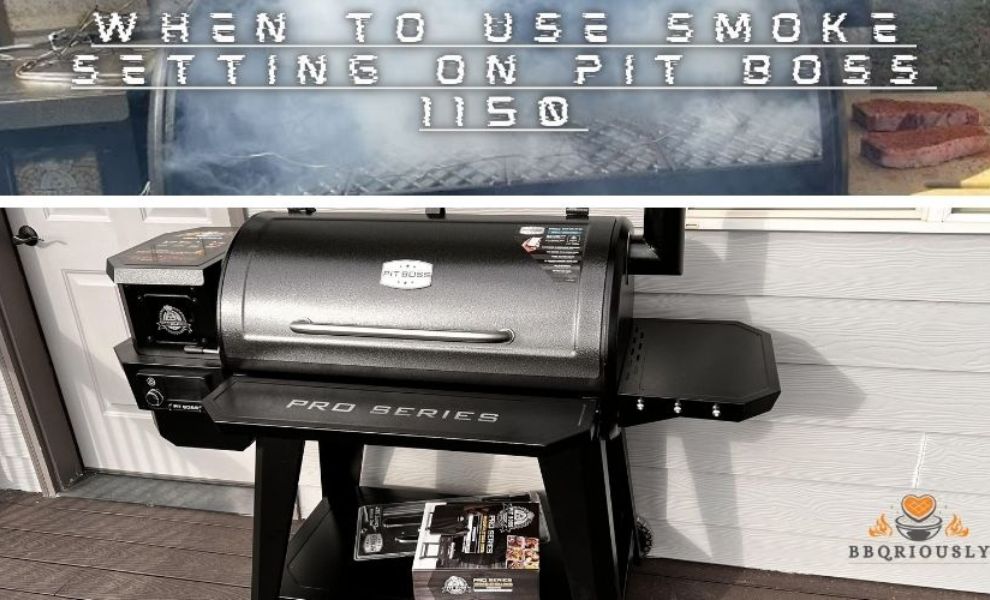
The Smoke Setting on the Pit Boss 1150 can transform your barbecue, but only when it’s used at the right moment. This feature is designed to create dense, flavorful smoke at lower temperatures—ideal for building rich layers of wood-fired taste.
But knowing exactly when to use it is what separates great cooks from truly exceptional results.
When to Use Smoke Setting on Pit Boss 1150: Expert Tips Revealed
Knowing when to use the Smoke Setting on your Pit Boss 1150 is the key to richer flavor and better results. Here are the expert tips you need to get the most out of every cook.
Benefits Of Smoke Setting
The Smoke Setting on the Pit Boss 1150 adds unique benefits that improve your cooking. It creates a slow, steady smoke flow that is perfect for certain types of meat and recipes. This setting helps bring out deep flavors and tender textures without drying out the food. Knowing the benefits of the Smoke Setting can help you decide when to use it for the best results.
Enhancing Flavor
The Smoke Setting infuses your food with a rich, smoky taste that is hard to achieve with regular cooking methods. It uses low heat and wood smoke to slowly flavor the meat. This process allows the smoke particles to penetrate the food deeply, creating a unique and bold flavor profile.
- Longer smoke exposure: The setting keeps smoke flowing for hours.
- Consistent temperature: Maintains a steady low heat that enhances smoke absorption.
- Wood choice impact: Different wood pellets add various flavors (e.g., hickory, apple, mesquite).
Use the Smoke Setting for dishes like ribs, brisket, or chicken to add a rich smoky aroma. The slow smoking enhances natural flavors without overpowering the meat. This setting is excellent for recipes that need low, slow cooking to develop taste.
| Wood Pellet Type | Flavor Profile | Best For |
| Hickory | Strong and hearty | Beef, pork, ribs |
| Apple | Sweet and mild | Chicken, fish, pork |
| Mesquite | Bold and earthy | Red meat, game |


Improving Meat Texture
The Smoke Setting helps meat become tender and juicy by cooking it slowly at low temperatures. Slow cooking breaks down tough fibers and connective tissues. This makes the meat soft and easier to chew.
Because the setting uses low heat, it prevents the meat from drying out. The smoke also forms a tasty outer layer called the “bark,” which adds texture and flavor.
- Slow cooking: Breaks down collagen in meat.
- Moist environment: Keeps juices inside the meat.
- Smoke bark formation: Adds a crispy, flavorful crust.
The Smoke Setting is ideal for cuts like brisket, pork shoulder, and ribs that need long cooking times. It creates a perfect balance of soft inside and slightly crisp outside.
| Meat Cut | Texture Improvement | Recommended Cooking Time |
| Brisket | Very tender, juicy | 8-12 hours |
| Ribs | Fall-off-the-bone | 5-7 hours |
Ideal Foods For Smoke Setting
The Smoke Setting on the Pit Boss 1150 is perfect for slow cooking foods with rich, smoky flavors. It uses low heat and wood pellets to create a steady smoke that infuses food deeply. Choosing the right foods enhances this process. Some foods absorb smoke better and develop tastier results. Understanding which foods suit the smoke setting helps get the most from your grill.
Ribs And Brisket
Ribs and brisket are classic choices for the smoke setting. These cuts have enough fat and connective tissue to stay juicy during long cooking times. The smoke adds a deep, savory flavor that makes them special.
- Ribs: Baby back ribs and spare ribs both work well. Smoke low and slow at around 225°F for 4-6 hours.
- Brisket: A whole packer brisket takes 10-14 hours. The smoke penetrates the meat, breaking down tough fibers and adding taste.
Use a dry rub to complement the smoke flavor. The smoke setting helps create a bark on the outside, which is a crunchy, flavorful crust. It’s important to keep the temperature steady for the best results.
| Food | Ideal Smoke Temperature | Smoke Time | Key Tips |
| Baby Back Ribs | 225°F | 4-5 hours | Use a dry rub and wrap in foil for the last hour |
| Spare Ribs | 225°F | 5-6 hours | Spritz with apple juice every hour |
| Brisket | 225°F | 10-14 hours | Use a simple salt and pepper rub, rest after cooking |
Poultry Options
Chicken and turkey also take well to the smoke setting on the Pit Boss 1150. The smoke adds a subtle flavor without overpowering the mild meat. It is best to use whole birds or parts with skin to keep moisture inside.
Smoking poultry low and slow allows the skin to crisp and the meat to stay tender. Try these options:
- Whole chicken: Smoke at 225°F for 3-4 hours. Use a seasoning blend with herbs and citrus.
- Chicken thighs or legs: These cuts stay juicy. Smoke for 2-3 hours.
- Turkey breast: Ideal for a smaller smoke session. Smoke for 3-4 hours.
Check the internal temperature to ensure safety. Poultry is done at 165°F. Use a marinade or brine before smoking to add flavor and moisture.
| Poultry Cut | Smoke Temperature | Smoke Time | Flavor Tips |
| Whole Chicken | 225°F | 3-4 hours | Herb rub with lemon zest |
| Chicken Thighs/Legs | 225°F | 2-3 hours | Simple salt and pepper |
| Turkey Breast | 225°F | 3-4 hours | Brine with salt and sugar |
Vegetables And Cheese
Vegetables and cheese can also benefit from the smoke setting. The smoke adds a unique layer of flavor, enhancing simple ingredients. Choose firm vegetables that hold up to heat and smoke.
Good vegetable options include:
- Bell peppers – Smoke until tender and slightly charred.
- Onions – Develop a sweet, smoky taste.
- Mushrooms – Absorb smoke well and stay juicy.
- Eggplant – Softens and picks up smoky notes.
Cheese smoking requires careful timing. Use firm cheeses like cheddar or gouda. Smoke for 30-60 minutes at low temperature to avoid melting.
Smoking cheese adds a rich aroma and flavor for snacks or recipes. Always keep cheese cold and use indirect heat.
| Item | Smoke Time | Temperature | Notes |
| Bell Peppers | 1-2 hours | 225°F | Smoke until skin blisters |
| Onions | 1-2 hours | 225°F | Slice thickly for even cooking |
| Mushrooms | 1 hour | 225°F | Use whole or halved |
| Cheese (Cheddar/Gouda) | 30-60 mins | Cold smoke | Keep cheese under 90°F |
Optimal Temperature Range
The smoke setting on the Pit Boss 1150 is perfect for adding rich, smoky flavors to your food. The key to great smoking lies in staying within the optimal temperature range. This range allows the wood pellets to smolder instead of burn, producing thick, flavorful smoke. Knowing the right temperature helps you get the best taste and texture from your smoked dishes.
Low And Slow Cooking
Using the smoke setting works best for cooking at low temperatures. The ideal temperature range for smoking on the Pit Boss 1150 is 180°F to 225°F. Cooking low and slow breaks down tough meat fibers, making the meat tender and juicy.
Advantages of low and slow cooking on smoke setting:
- Allows smoke to deeply penetrate the food
- Prevents drying out by cooking gently
- Develops rich, complex flavors over time
Here is a simple table showing some common foods and their ideal smoking temperatures:
| Food | Optimal Smoking Temp (°F) | Approximate Time |
| Brisket | 200-225 | 10-14 hours |
| Ribs | 180-200 | 5-6 hours |
Patience is important. Low heat preserves moisture and allows smoke to flavor the meat evenly. Avoid raising the temperature too high. It causes the pellets to burn fast and smoke to thin out.
Maintaining Consistent Heat
Keeping steady heat is critical when using the smoke setting on the Pit Boss 1150. Temperature fluctuations can affect the smoke quality and cooking results. The smoker’s design helps maintain consistent heat by feeding pellets steadily to the firepot.
Tips for maintaining steady heat:
- Preheat the smoker for 10-15 minutes before adding food
- Keep the lid closed to hold smoke and temperature
- Use a digital meat thermometer to monitor internal food temperature
- Avoid opening the smoker too often
The smoke setting usually holds temperatures between 180°F and 225°F well. This range produces a thick smoke that flavors food deeply without drying it out.
Here is a quick reference for temperature control on the Pit Boss 1150:
| Temperature Setting | Purpose | Smoke Quality |
| 180°F – 225°F (Smoke Setting) | Low and slow smoking | Thick, flavorful smoke |
| 250°F – 300°F | Slow roasting | Light smoke flavor |
| 350°F and above | Grilling and searing | Minimal smoke flavor |
Maintaining proper heat keeps smoke steady. This improves flavor and texture. The smoke setting helps create that perfect balance for your smoked meals.
Timing For Smoke Setting
The Smoke Setting on the Pit Boss 1150 is perfect for adding rich flavor to your meats and vegetables. Knowing the right timing for this setting helps get the best taste and texture. This guide explains when to use smoke and how long to keep it on before increasing the heat.
Initial Smoking Phase
The initial smoking phase is when the smoker runs at low temperatures, usually between 180°F and 225°F. This phase allows the food to absorb smoke flavor deeply without cooking too fast. It is best to use the smoke setting during this stage.
Key points for the initial smoking phase:
- Set the Pit Boss 1150 to the smoke setting right after you start the fire.
- Keep the smoker closed to trap the smoke inside.
- Use wood pellets like hickory, apple, or mesquite for different flavors.
- Plan to smoke for 1 to 3 hours depending on the food type.
For example, brisket and ribs benefit from a longer smoking phase, around 3 hours. Chicken and fish need less, about 1 to 2 hours. Smoking too long on low heat can make food taste bitter, so watch the time closely.
| Food Type | Smoke Time (hours) | Temperature Range (°F) |
| Brisket | 2.5 – 3 | 180 – 225 |
| Ribs | 2 – 3 | 180 – 225 |
| Chicken | 1 – 2 | 180 – 225 |
| Fish | 1 – 1.5 | 180 – 225 |
Keep an eye on the temperature gauge. Avoid opening the lid often. Each time you open, heat escapes and smoke fades. Patience is key for deep smoky flavor.
Transition To Higher Heat
After the initial smoking phase, increase the temperature to finish cooking the food. This transition is important to cook the meat evenly and safely. The Pit Boss 1150 can reach higher temperatures of 250°F to 350°F or more.
Steps for a smooth transition:
- Turn off the smoke setting after the initial time (1-3 hours).
- Set the temperature to your desired cooking level, usually between 250°F and 350°F.
- Keep the lid closed to maintain heat and moisture.
- Use a meat thermometer to check the internal temperature.
This phase helps develop a nice crust or bark on the meat. It also cooks the food thoroughly without drying it out. For example, brisket needs this step to become tender. Chicken reaches safe eating temperature faster.
Use this simple table as a guide for timing and temperature after smoking:
| Food Type | Cook Time After Smoking (hours) | Temperature Range (°F) |
| Brisket | 4 – 6 | 250 – 275 |
| Ribs | 1.5 – 2.5 | 275 – 300 |
| Chicken | 0.5 – 1.5 | 300 – 350 |
| Fish | 0.5 – 1 | 275 – 300 |
Important: Avoid rushing the transition. A steady heat rise prevents meat from drying out or cooking unevenly. Use patience and check temperature often for best results.
Using Wood Pellets Effectively
Using wood pellets effectively in the Smoke Setting on the Pit Boss 1150 enhances the flavor of your grilled food. The right pellets and smoke control bring out natural, rich tastes. Proper pellet use ensures a steady smoke flow without overloading the food with bitterness. Understanding pellet types and smoke intensity helps you create delicious meals with perfect smoky notes.
Choosing Pellet Types
Wood pellets come in many flavors, each adding a unique taste to your food. Selecting the right pellet depends on what you want to cook and the flavor you prefer. Here are some popular pellet types and their common uses:
| Pellet Type | Flavor Profile | Best For |
| Hickory | Strong, smoky, bacon-like | Beef, pork, ribs |
| Apple | Sweet, mild fruitiness | Chicken, fish, pork |
| Mesquite | Bold, earthy, intense | Red meats, grilling |
| Cherry | Sweet, subtle berry | Poultry, pork, vegetables |
| Maple | Sweet, light smoke | Chicken, turkey, cheese |
Tips for choosing pellets:
- Use mild pellets for delicate foods like fish and chicken.
- Stronger pellets suit beef and pork for a richer smoke taste.
- Mix pellets to create custom flavor blends.
- Always buy high-quality, 100% hardwood pellets for clean smoke.
Using the right pellet type helps avoid overpowering your food with smoke. It also prevents bitter or harsh flavors. Experiment with different pellets on the Smoke Setting to find your favorite taste.
Managing Smoke Intensity
The Smoke Setting on the Pit Boss 1150 produces low and steady smoke. Proper smoke intensity keeps food juicy and flavorful without bitterness. Managing smoke involves controlling pellet feed rate and airflow.
Ways to control smoke intensity:
- Adjust Pellet Amount: Use fewer pellets for lighter smoke. More pellets create stronger smoke.
- Use Dry Pellets: Moist pellets cause uneven burning and thick smoke. Store pellets in a dry place.
- Control Airflow: Proper airflow burns pellets evenly. Avoid blocking vents or adding too much fuel.
- Clean the Grill: Ash buildup reduces airflow and changes smoke quality. Clean regularly.
Here is a simple guide to smoke intensity levels:
| Smoke Intensity | Pellet Feed Rate | Food Type |
| Light Smoke | Low feed rate | Fish, vegetables, delicate meats |
| Medium Smoke | Moderate feed rate | Poultry, pork, ribs |
| Heavy Smoke | High feed rate | Beef, brisket, strong-flavored meats |
Maintaining the right smoke intensity ensures food absorbs flavor without becoming bitter. Start with low smoke and increase slowly. Watch the smoke color: thin, blue smoke is good; thick, white smoke is harsh and should be avoided.
Common Mistakes To Avoid
The smoke setting on the Pit Boss 1150 adds rich flavor to your food. Using it correctly enhances taste and texture. Many users make common mistakes that reduce smoke quality or ruin the food. Avoiding these errors saves time and improves results. Below are two major mistakes to watch for when using the smoke setting.
Over-smoking
Over-smoking happens when food gets too much smoke flavor. This can make the taste bitter or unpleasant. The smoke setting on the Pit Boss 1150 releases smoke slowly, but running it too long causes over-smoking. Watch the smoke time carefully to avoid this.
Signs of over-smoking:
- Food tastes harsh or bitter
- Black soot forms on the surface
- Strong acrid smell during cooking
To prevent over-smoking, follow these tips:
- Use the smoke setting only during the first part of cooking.
- Limit smoke time to 1-3 hours depending on the recipe.
- Choose mild wood pellets like apple or cherry for less intense smoke.
- Check the food taste halfway through cooking.
| Food Type | Recommended Smoke Time | Wood Pellet Type |
| Chicken | 1-2 hours | Apple, Cherry |
| Beef | 2-3 hours | Oak, Mesquite (use sparingly) |
Remember: Less smoke is better than too much. Quality over quantity improves flavor.
Ignoring Temperature Fluctuations
Temperature control is vital on the Pit Boss 1150. The smoke setting works best at low, steady temperatures. Ignoring temperature changes leads to uneven cooking and poor smoke absorption.
Common problems from temperature swings:
- Food cooks unevenly
- Smoke flavor weakens or becomes harsh
- Longer cook times than expected
Keep these points in mind to manage temperature:
- Preheat the smoker before adding food.
- Monitor the temperature gauge often during cooking.
- Adjust the damper or pellet feed to stabilize heat.
- Use a remote thermometer for accurate readings inside the cooking chamber.
Here is an example of ideal temperature ranges during smoking:
| Stage | Temperature Range | Notes |
| Initial Smoke | 180°F – 225°F (82°C – 107°C) | Best for smoke absorption |
| Cooking | 225°F – 275°F (107°C – 135°C) | Even cooking with smoke flavor |
| Finishing | 275°F – 300°F (135°C – 149°C) | Caramelizes exterior, avoid smoke here |
Tip: Small temperature adjustments make a big difference. Stay patient and adjust slowly.
Maintenance Tips For Pit Boss 1150
The Smoke Setting on the Pit Boss 1150 offers low and slow cooking that adds rich flavor to your food. Maintaining your grill after using this setting keeps it working well and extends its life. Regular care helps avoid buildup of ash, grease, and leftover pellets. Below are key maintenance tips to keep your Pit Boss 1150 clean and ready for every smoke session.
Cleaning After Smoking
Cleaning the Pit Boss 1150 right after smoking is essential to maintain performance. The smoke setting produces a lot of ash and grease. Leaving these residues can cause blockages and affect taste.
Follow these steps for effective cleaning:
- Turn off and unplug the grill. Let it cool completely before starting.
- Remove ashes from the fire pot using a small ash tool or vacuum designed for grills.
- Scrape grease off cooking grates with a grill brush or scraper.
- Clean drip tray to avoid grease fires and odors.
- Wipe the interior with a damp cloth to remove soot and residue.
Here is a quick cleaning checklist:
| Task | Frequency | Tools Needed |
| Remove ashes | After every use | Ash vacuum or ash tool |
| Clean grates | After every use | Grill brush or scraper |
| Empty drip tray | After every few uses | Gloves, cloth |
| Wipe interior | Weekly | Damp cloth |
Regular cleaning keeps heat distribution even and smoke flavor pure. Avoid letting grease build up to reduce flare-ups and smoke blockages.
Pellet Hopper Care
The pellet hopper stores wood pellets for the grill. Proper care of the hopper ensures smooth feeding and consistent smoke. Moisture and old pellets can cause jamming and uneven cooking.
Follow these tips for hopper maintenance:
- Keep pellets dry. Store unused pellets in a sealed container away from moisture.
- Empty hopper if the grill won’t be used for a long time to prevent pellet degradation.
- Clean hopper walls occasionally to remove dust and pellet fragments.
- Check auger for blockages and clear any pellets stuck inside.
Use this simple routine for hopper care:
- After each use, remove leftover pellets from hopper.
- Wipe hopper with a dry cloth to clear dust.
- Inspect the auger for pellet jams monthly.
- Store pellets in a cool, dry place.
Well-maintained pellet hoppers help the grill run smoothly and keep smoke steady. This care prevents pellet jams and helps your Pit Boss 1150 deliver perfect results every time.
Frequently Asked Questions
When Should I Use The Smoke Setting On Pit Boss 1150?
Use the smoke setting for low and slow cooking. It infuses food with rich smoky flavor. Ideal for meats like ribs and brisket.
How Long Does The Smoke Setting Run On Pit Boss 1150?
The smoke setting typically runs for 30 to 60 minutes. It allows wood pellets to smolder, creating smoke before grilling.
Can I Cook Vegetables On The Smoke Setting?
Yes, you can smoke vegetables using this setting. It adds a subtle smoky flavor without overcooking them.
Is The Smoke Setting Energy Efficient On Pit Boss 1150?
Yes, it uses less energy by maintaining a low temperature. It conserves pellets while producing consistent smoke for flavor.
Conclusion
The smoke setting on the Pit Boss 1150 adds great flavor to your food. Use it for slow cooking and smoking meats like ribs or brisket. It helps keep the heat low and steady, so your food cooks evenly. Remember, the smoke setting is best for long cooks, not quick grilling.
Try it out, and enjoy tasty, smoky meals every time.