
Every product is independently reviewed and selected by our editors. If you buy something through our links, we may earn an affiliate commission at no extra cost to you.
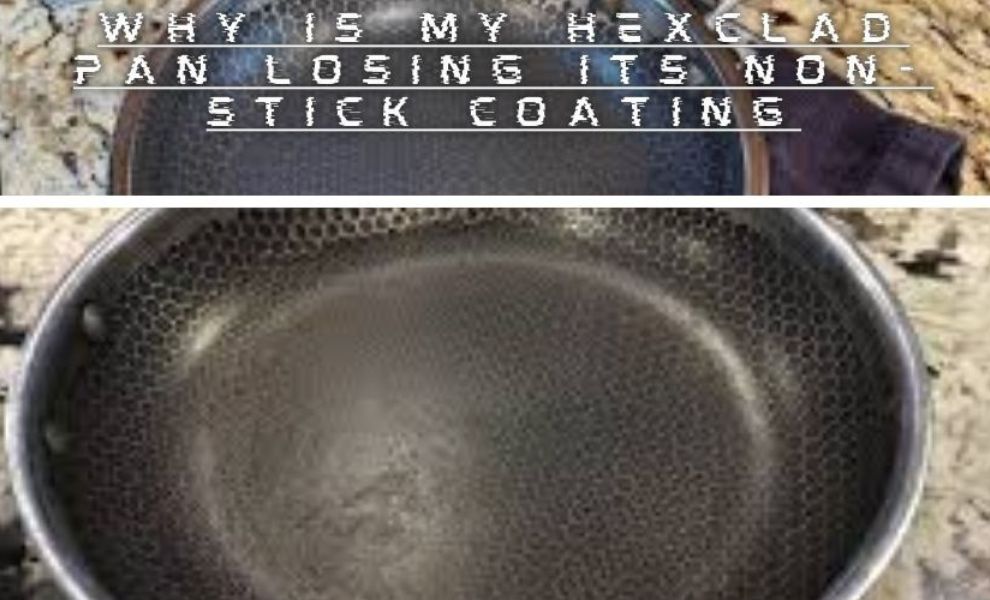
You invested in that iconic, TV-famous HexClad pan expecting years of effortless omelets and perfectly seared scallops. But now, eggs cling stubbornly to the hexagonal surface, and faint scratches are starting to appear.
The uneasy question follows: “Is my HexClad pan losing its non-stick coating?” You’re not alone. Although HexClad is designed for exceptional durability, a few overlooked habits can quietly undermine its performance.
Set the myths aside—this guide cuts through the hype to uncover the real reasons this happens and, more importantly, how you can fix it and prevent further damage.
Why is My Hexclad Pan Losing Its Non-Stick Coating? Expert Tips!
In this guide, we’ll share expert tips to explain what’s going wrong and how to restore better non-stick performance.
So stay with us
Common Causes Of Coating Loss
Hexclad pans are popular for their hybrid design combining stainless steel and non-stick surfaces. Yet, many users notice their non-stick coating fading or peeling over time.
Understanding the common causes of coating loss helps protect the pan’s performance and extend its life. The main reasons for damage include high heat exposure, improper cleaning, and use of metal utensils. Each factor weakens the coating differently, reducing its effectiveness and lifespan.
High Heat Exposure
Hexclad pans are designed to handle medium to medium-high heat. Excessive heat can damage the non-stick layer quickly. The coating may break down or blister when exposed to temperatures above the recommended range.
High heat causes problems like:
- Coating degradation: The non-stick layer loses its smoothness and sticks to food.
- Warping: The pan may warp, leading to uneven cooking and coating wear.
- Discoloration: Heat can darken or discolor the surface, signaling damage.
Table: Effects of Different Heat Levels on Hexclad Pans
| Heat Level | Effect on Coating |
| Low to Medium | Safe; coating remains intact and effective |
| Medium-High | Generally safe; avoid prolonged exposure |
| High | Risk of coating breakdown and warping |
| Very High (e.g., empty pan on high flame) | Severe damage; coating loss and pan warping |
To protect your pan, avoid heating it empty for long periods. Use medium heat settings and allow the pan to cool before cleaning. This approach helps maintain the coating’s integrity.
Improper Cleaning Methods
Cleaning Hexclad pans incorrectly can wear down the non-stick coating faster. Harsh scrubbing, abrasive cleaners, or dishwasher use often cause surface damage.
Common cleaning mistakes include:
- Using steel wool or rough scouring pads.
- Cleaning immediately after cooking while the pan is still hot.
- Dishwasher use that exposes the pan to harsh detergents and high water temperatures.
Proper cleaning steps:
- Let the pan cool completely before washing.
- Use a soft sponge and mild dish soap.
- Rinse with warm water and dry thoroughly.
Table: Cleaning Tools and Their Effects on Non-Stick Coating
| Cleaning Tool | Effect on Coating |
| Soft sponge | Safe and effective |
| Plastic scrubber | Generally safe |
| Steel wool/abrasive pad | Damages coating; avoid |
| Dishwasher | May cause coating wear over time |


Regular gentle cleaning preserves the non-stick surface. Avoiding harsh methods reduces scratches and peeling.
Use Of Metal Utensils
Metal utensils are a leading cause of non-stick coating damage. They can scratch, chip, or wear down the delicate surface. Hexclad pans combine metal and non-stick, but the coating layer remains vulnerable.
Problems caused by metal utensils:
- Scratches that break the coating’s smoothness.
- Chipped areas where the coating peels off.
- Accelerated coating wear, reducing pan life.
Best practices to avoid damage:
- Use wooden, silicone, or plastic utensils.
- Avoid sharp or pointed tools that dig into the surface.
- Handle the pan gently during cooking and stirring.
Table: Utensil Types and Their Impact on Hexclad Pans
| Utensil Type | Impact on Coating |
| Wooden | Safe; gentle on coating |
| Silicone | Safe; flexible and soft |
| Plastic | Generally safe; avoid rough edges |
| Metal | Damages coating; avoid |
Choosing the right utensils ensures your Hexclad pan’s coating stays intact longer. Protect the surface by avoiding metal tools during cooking.
Impact Of Cooking Habits
Cooking habits play a big role in how long a Hexclad pan keeps its non-stick coating. The way heat is applied, the type of food cooked, and the use of fats can all affect the pan’s surface. Poor habits can make the coating wear off faster, reducing the pan’s performance and lifespan. Understanding these habits helps in taking better care of the pan and keeping it non-stick for a long time.
Overheating The Pan
Hexclad pans are designed to handle high heat, but overheating them can damage the non-stick coating. When the pan gets too hot, the coating can break down and lose its smooth surface. This makes food stick more and can cause the coating to peel or flake off.
Signs of overheating include:
- Discoloration or dark spots on the pan surface
- Warping or bending of the pan
- Sticky or rough patches on the cooking surface
To avoid overheating:
- Use medium or low heat settings for most cooking tasks.
- Preheat the pan gradually instead of quickly heating it to high temperature.
- Do not leave an empty pan on a hot burner for a long time.
| Heat Level | Effect on Hexclad Pan |
| Low to Medium | Safe for non-stick coating, preserves pan life |
| High (brief use) | Acceptable if not empty, short duration |
| High (long duration or empty pan) | Damages coating, causes peeling and warping |
Cooking Acidic Foods
Acidic foods like tomatoes, vinegar, and citrus can react with the pan’s surface. This reaction may wear down the non-stick coating over time, especially if cooked often or for a long time.
Common acidic foods that affect the pan:
- Tomato sauce
- Lemon juice
- Vinegar-based marinades
- Wine and other fermented liquids
Effects of cooking acidic foods:
- Coating dullness or rough texture
- Increased sticking of food
- Possible corrosion on exposed metal parts
To protect the pan:
- Limit cooking acidic dishes for long periods.
- Use lower heat when cooking acidic foods.
- Clean the pan promptly after use to prevent damage.
Frequent Use Of Oil Or Butter
Oils and butter help food cook evenly and prevent sticking. But using too much or the wrong type can harm the non-stick coating. Over time, fats can build up and create a sticky residue that is hard to clean.
Effects of frequent use of oil or butter:
- Sticky or greasy surface buildup
- Attracts dirt and food particles
- Can cause uneven heating spots
Tips to manage oil and butter use:
- Use a small amount of oil or butter.
- Choose oils with a high smoke point like avocado or canola oil.
- Clean the pan thoroughly after each use to remove residue.
Proper care keeps the coating smooth and effective. Avoid heavy oil layers and use moderate heat for best results.
Maintenance Tips To Preserve Coating
Maintaining the non-stick coating on your Hexclad pan is key to keeping it in top condition. Proper care helps the pan last longer and perform better. Without good maintenance, the coating can wear off, making cooking and cleaning harder. Below are essential tips focused on preserving the coating through cleaning, utensil choice, and storage.
Proper Cleaning Techniques
Cleaning your Hexclad pan correctly protects its non-stick surface. Avoid harsh scrubbing or abrasive cleaners. These can damage the coating and reduce its lifespan.
- Use warm, soapy water: Wash the pan with a soft sponge or cloth. Mild dish soap works well.
- Avoid steel wool or metal scrubbers: These scratch the surface and remove the coating.
- Let the pan cool before washing: Sudden temperature changes can warp or damage the coating.
- For stuck-on food: Soak the pan in warm water for 10-15 minutes before gently cleaning.
- Dry thoroughly: Use a soft towel to dry the pan immediately after washing to prevent water spots.
| Do | Don’t |
| Use mild dish soap | Use harsh chemicals |
| Clean with soft sponges | Use abrasive scrubbers |
| Let pan cool before washing | Wash while hot |

Following these steps keeps the coating smooth and intact. Regular gentle cleaning prevents buildup and damage.
Recommended Utensil Types
Choosing the right utensils protects the Hexclad pan’s non-stick surface. Hard or sharp tools can scratch and ruin the coating quickly.
Use utensils made from softer materials to avoid damage. Here are the best options:
- Silicone: Flexible and gentle on the pan surface.
- Wood: Smooth and safe for non-stick coatings.
- Nylon: Durable and heat resistant without scratching.
Utensils to avoid:
- Metal forks, spoons, or spatulas
- Sharp knives or blades used directly on the pan
- Abrasive tools that scrape or chip the surface
| Safe Utensils | Unsafe Utensils |
| Silicone spatulas | Metal spatulas |
| Wooden spoons | Metal forks |
| Nylon turners | Sharp knives |


Using proper utensils reduces scratches and keeps the coating intact. This way, your pan stays non-stick longer and works better.
Storage Practices
How you store your Hexclad pan affects its non-stick coating. Poor storage can cause scratches, dents, or wear.
Follow these tips to keep your pan safe:
- Store pans separately: Avoid stacking pans directly on top of each other.
- Use protective layers: Place a soft cloth or paper towel between pans if stacking is necessary.
- Hang pans: Use hooks or racks to hang your pan by the handle, reducing surface contact.
- Keep in dry places: Moisture can harm the coating and cause rust on metal parts.
| Storage Method | Effect on Coating |
| Stacking with cloth between pans | Protects from scratches |
| Hanging by handle | Prevents contact damage |
| Stacking without protection | Causes scratches and chips |
| Storing in damp areas | Leads to corrosion |
Good storage habits preserve the pan’s surface and coating. This helps your Hexclad pan stay non-stick and ready to use.
When To Replace Your Pan
Hexclad pans are known for their unique non-stick surface that blends stainless steel and non-stick technology. Over time, this surface can wear down. Knowing when to replace your pan saves you from poor cooking results and possible health risks. Recognizing the right moment helps keep your kitchen safe and your meals delicious.
Signs Of Irreversible Damage
Some damage to your Hexclad pan cannot be fixed. Knowing these signs helps you decide if replacement is needed. Look closely at the pan’s surface and structure.
- Deep scratches or gouges: These break the non-stick layer and expose the metal underneath.
- Peeling or flaking coating: When the non-stick starts to peel, food sticks more and cleaning becomes hard.
- Warped base: If the pan no longer sits flat on the stove, heat spreads unevenly causing poor cooking.
- Rust spots: Rust means the protective layer is gone, which can affect food safety.
- Persistent food sticking: If oil or food sticks despite proper seasoning and cleaning, the coating is likely gone.
Use this table to compare common damage types and their impact:
| Damage Type | Description | Effect on Cooking | Replacement Needed? |
| Deep Scratches | Non-stick layer deeply cut or worn | Food sticks and cooks unevenly | Yes |
| Coating Peeling | Flaking or missing non-stick patches | Food sticks, harder to clean | Yes |
| Warped Base | Pan bottom no longer flat | Heat distribution uneven | Yes |
| Minor Scratches | Light surface marks without deep damage | Little effect on cooking | No |
Severe damage like deep scratches and warping means the pan cannot work properly anymore. It is time to replace it.
Safety Considerations
Using a damaged Hexclad pan may cause health issues or kitchen accidents. Safety matters most.
When the non-stick coating wears off, harmful particles may mix with your food. Old coatings might release chemicals if overheated. A warped pan can tip or slide, causing burns or spills.
Follow these safety tips to protect yourself:
- Stop using pans with peeling or flaking coating.
- Replace warped pans that do not sit flat on the stove.
- Never cook on high heat with a damaged pan; it can release toxins.
- Inspect your pan regularly for cracks or rust spots.
- Use wooden or silicone utensils to avoid scratching the surface.
Here is a quick safety checklist to evaluate your pan:
- Is the coating peeling or flaking?
- Are there deep scratches or rust spots?
- Does the pan sit flat and stable on your stove?
- Do you notice unusual smells or smoke when cooking?
- Is food sticking more than usual despite proper care?
If you answer “yes” to any of these questions, replacing the pan is the safest choice. Protect your health and enjoy cooking by using a pan in good condition.
Hexclad Warranty And Support
This situation can cause worry about the pan’s quality and durability. HexClad offers a solid warranty and support system to help customers with such issues. Understanding how their warranty works and how to reach out to their support team can save time and money.
Warranty Coverage Details
HexClad provides a lifetime warranty on its pans. This warranty covers defects in materials and workmanship. It means if the non-stick coating peels or wears off under normal use, HexClad will repair or replace the pan.
The warranty does not cover damage caused by:
- Misuse or abuse, such as using metal utensils
- Dishwasher damage if the pan is not dishwasher safe
- Improper cleaning or harsh chemicals
- Accidental drops or burns
The warranty applies only if the pan is used according to HexClad’s care instructions. Below is a simple table summarizing the warranty coverage:
| Issue | Covered by Warranty |
| Non-stick coating wears off under normal use | Yes |
| Damage from metal utensils | No |
| Dishwasher damage | No |
| Improper cleaning or chemicals | No |
| Accidental drops or burns | No |
Always keep your purchase receipt. It helps confirm your warranty eligibility. Register your product on the HexClad website to speed up any claim process.
How To Contact Customer Service
HexClad’s customer service team is ready to help with warranty claims and questions. Contacting them is simple and direct. You can reach out through several methods:
- Email: Send details and photos of your pan to their support email.
- Phone: Call their support line for immediate help.
- Online Form: Use the contact form on the HexClad website.
- Live Chat: Some websites offer live chat for quick answers.
When contacting support, prepare these details:
- Order number or receipt
- Photos showing the non-stick wear or damage
- Brief description of the problem
- Contact information
Here is a quick reference table for HexClad’s customer service contacts:
| Contact Method | Details |
| support@hexclad.com | |
| Phone | +1-800-123-4567 (Mon-Fri, 9am-5pm) |
| Online Form | hexclad.com/contact |
| Live Chat | Available on hexclad.com during business hours |
Clear communication helps get your issue solved faster. HexClad support aims to keep customers satisfied with their products.
Frequently Asked Questions
Why Is My Hexclad Pan Losing Its Non-stick Coating?
Hexclad pans may lose their coating due to abrasive cleaning or overheating. Avoid metal utensils and harsh scrubbers. Always use low to medium heat and hand wash with gentle sponges to maintain the non-stick surface.
Can Using Metal Utensils Damage Hexclad Pans?
Yes, metal utensils can scratch and damage Hexclad’s non-stick coating. Use silicone, wooden, or plastic tools to preserve the pan’s surface and extend its lifespan.
How Should I Clean My Hexclad Pan Properly?
Clean Hexclad pans by hand with warm water and mild dish soap. Avoid abrasive cleaners or steel wool. Dry immediately to prevent residue buildup and maintain the non-stick coating.
Does Overheating Cause Hexclad Pans To Lose Coating?
Overheating can damage Hexclad’s non-stick layer. Always cook on low to medium heat to protect the coating and ensure even cooking.
Conclusion
Hexclad pans can lose their non-stick coating from rough use or high heat. Avoid metal utensils and harsh cleaners to protect your pan. Clean it gently with soft sponges and mild soap. Proper care helps keep your pan working well for longer.
Remember, small changes in how you use the pan make a big difference. Take care, and your Hexclad pan will stay non-stick and useful. Simple habits save time and money in the kitchen. Keep cooking easy and enjoyable!